Showing posts with label citizen science. Show all posts

Tuesday, July 28, 2020

Planning for people and pets during crises, making pet adoption equitable, and more citizen science for pet owners

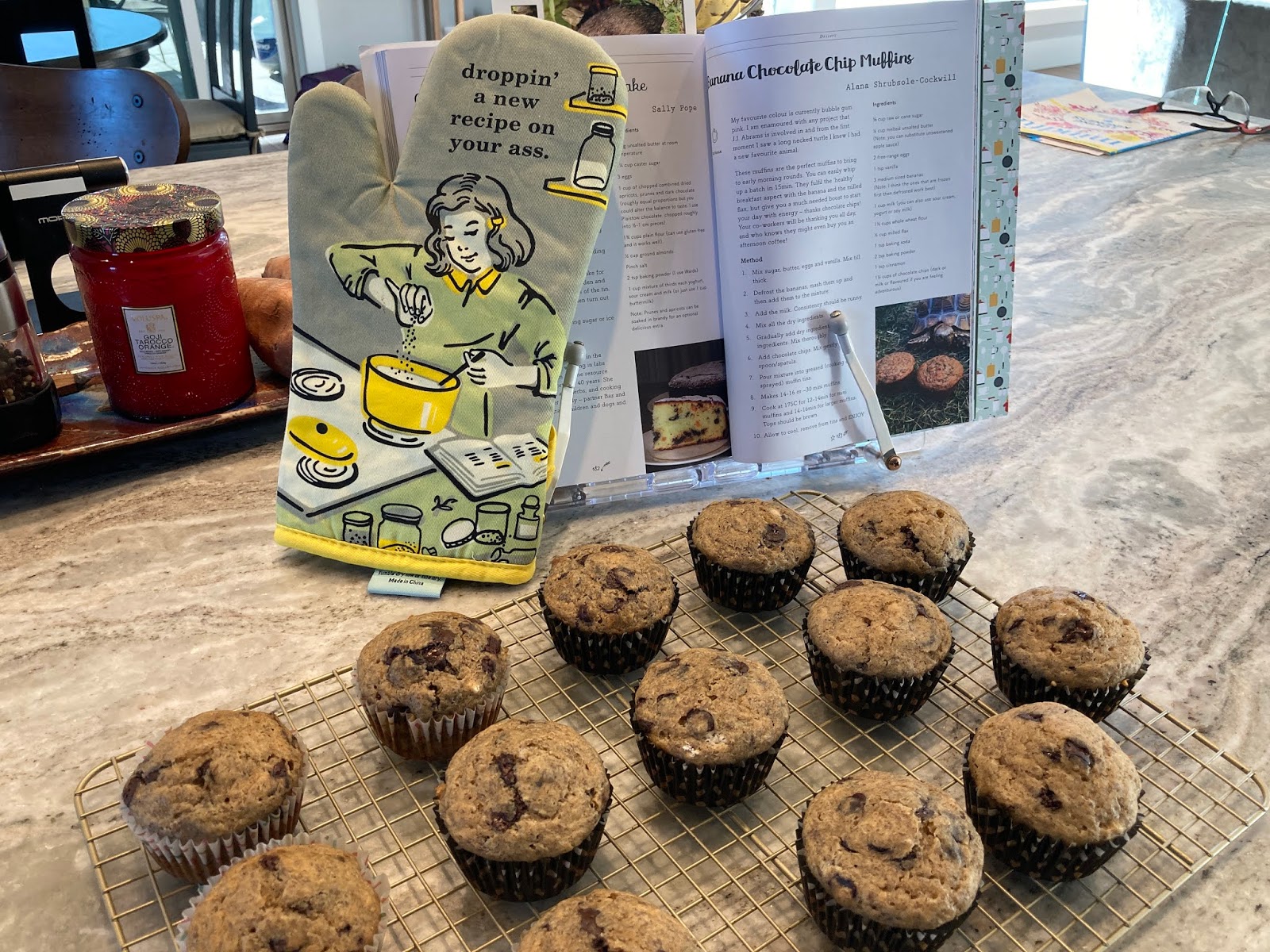
Dr Sonja Olson baked the banana chocolate chip muffins from the Vet Cookbook to fuel her morning run. Loving the oven mitt!


This week, I want to share a few resources which may be of interest.

You may not be aware, but one of the negative aspects of the Covid-19 pandemic has been an increase in reports of domestic and family violence. Lucy’s Project, founded by the tireless Anna Ludvik, is hosting a webinar about the Concurrent Crises we are facing on August 17 at 1pm.
The webinar will explore how we can plan for animals during bushfires, droughts, pandemic(s) and other crises, as well as safety planning for families with animals who are experiencing DFV. The webinar is available free of charge but participants are welcome to make a donation. Click here for more info.

This webinar is part one of a three-part series.

CARE – Companions and Animals for Reform and Equity – is a US-based organisation established to address organisational and personal biases within animal welfare and advocating for a more inclusive path to pet adoption. The website contains some harrowing but ultimately uplifting stories of companion animals being adopted by those who initially faced discrimination or inequity. Check them out here.

Our colleague, Wingham and Valley Vets veterinarian, Dr John Dooley, retired earlier this year. He contributed an incredible personal essay to The Vet Cookbook, as well as some brilliant tips for new graduates in the CVE’s Recent Graduate Survival Seminar. He has been an advocate of mindfulness and meditation, as well as mentoring, in the veterinary profession. In an era where the attrition rate of veterinarians is high, and where there are shortages of veterinary professionals, its great to read about a 45-year-long career in this comprehensive article in Dr Dooley’s local paper which you can read here.

Finally, whether you work in the veterinary profession or not, if you identify as a pet owner, parent or guardian your knowledge can help citizen science. The study is exploring the risks and benefits of pet ownership during a pandemic.

To participate, click here.  

You can also opt-in to the very first longitudinal study tracking pet owner wellbeing and animal welfare.

Monday, August 28, 2017

Study: what is resilience in the veterinary profession?

Resilience, flower, garden, cottage garden
What does it mean to be resilient?
What is resilience? The dictionary definition refers to the ability to “bounce back” or recover from adversity. It’s a word we’re hearing a lot in relation to the veterinary profession of late, as building resilience may be one way to reduce suffering of people in our field.

This is where you can help. If you are a veterinarian who graduated over five years ago, you are invited to participate in some research focusing on
professional motivation, resilience and efficacy. It explores what “resilience” means to mid and late career veterinarians in Australia and the factors that contribute to this.

The project is being conducted by Dr Michelle McArthur (University of Adelaide), Dr Ingrid van Gelderen (University of Sydney), Dr Susan Matthew (Washington State University), Dr Aaron Jarden (Flinders University) and Mr Matthew Iasiello (South Australian Health and Medical Research Institute). The project is funded by a Seed Grant from the University of Adelaide School of Animal and Veterinary Science.

The aim is to create a model of what resilience looks like in veterinary practice, from the mid and later career veterinarian’s perspective, and identify strategies that might be useful for veterinarians in sustaining their resilience throughout their careers.

Participation involves an online survey, plus, if you are available, a follow up interview. According to the researchers, “Your participation will contribute to helping better understand how mid and late career veterinarians enjoy a successful and rewarding career. We hope that by better understanding your experiences, we can help to inform veterinary education and the wider profession about ways to support professionals in an engaging and rewarding career.”

Participation will involve completion of a brief online survey which should take approximately 15 minutes of your time. Your participation is voluntary and anonymous and all data collected will be strictly confidential. At the end of the survey you will be invited to participate in a follow-up interview study aimed at exploring resilience in detail in mid and late career veterinarians. You can also elect to go into the draw to win one of five $20 direct debit cards.”

A more detailed participant information sheet, and the survey, can be reached here.


Thursday, May 18, 2017

Needed: non-dog owners to help science


This may seem like a strange question, but do you not own a dog? You may just be able to contribute to a very important study about dog ownership.

Researchers at the University of Sydney are conducting a world-first study examining the impact of dog ownership on health and happiness, and they need some help.

But first, a bit of background:

Almost 2 in 5 Australian households own a dog, resulting in one of the highest rates of pet ownership in the world. However, dog ownership is complex and we still do not know what makes a good dog-owner pair. Despite the popular perception that owning a dog is good for you there is surprisingly little long-term scientific evidence to support this.   

The Physical and Affective Wellbeing Study of dog owners (PAWS) is hoping to change this. The study is using cutting edge science to investigate the impact of real-world dog ownership on both physical and mental health in a way never done before. PAWS also investigates the effects of adoption on dog health, and the quality of the human-dog bond, which is crucial for health benefits in both species.

PAWS is looking for 100 adults who do not currently own a dog to participate in the study – people who are considering owning a dog as well as those who have no interest in doing so. To be eligible, you must live in the Sydney metropolitan area and must not currently own a furry pet. The study will run for 8 months and would require you to meet with researchers three times during this period.

There is some compensation for volunteers who complete the study.

Understanding real-world dog ownership is crucial for optimising the human-dog coexistence for the benefit of both species. If you would like to get involved in this study, or you would like further information, please send an email to cpc.dognode@sydney.edu.au or call (02) 8627 5791.

You can also follow PAWS on Facebook and join the conversation on Twitter.

The researcher collecting this data is PhD Candidate Lauren Powell. She completed her undergraduate degree in Animal and Veterinary Bioscience in 2015, focusing on canine behavioural genetics. Through her part-time work at RSPCA NSW she developed a strong interest in what it is that makes an adoption successful and what is needed in creating a positive human-dog relationship. This developed further to an interest in how the human-dog bond effects health in both species, ultimately leading her to the PAWS project.

The PAWS study was primarily developed by Manos Stamatakis with other members of the Dog Ownership and Human Health Node. Manos has years of experience researching physical activity and health behaviours in humans and developed an interest in dogs after living with his partner’s dogs and realising the true range of emotions they experience.

And his conversion to dog lover was the result of a Jack Russell’s “accident” in the kitchen, an incident covered in the Sydney Uni Alumni Magazine.

“Having reluctantly allowed his then-partner’s dog Rufus into his apartment, Stamatakis returned home unexpectedly late to find an uncharacteristically subdued Rufus and a nasty surprise on his kitchen floor. “He was sitting there in the corner of the hallway staring at the floor, ashamed, embarrassed, upset because he let us down. I knew that he was genuinely upset and it was like an instant connection. It felt like a Eureka moment for me,” Stamatakis says. “I said ‘I have underestimated this creature. What have I been doing all this time? How have I been so stupid?’” 
(Sydney Alumni Magazine Issue 02, Semester 2 2015).

And yet, that little accident, and that lightbulb moment, might change history. Or at least what we understand about humans and dogs. So if you don't live with a furry friend, or you have friends or family who don't, please get involved or spread the word: send an email to cpc.dognode@sydney.edu.au or call (02) 8627 5791.

Monday, April 3, 2017

Do you treat dogs with glaucoma or cataracts? Or can you help with some citizen science?

Phil has some age-related changes that impact his vision.

Do you treat dogs with glaucoma or cataracts? Do you own a dog that you'd like to enroll in a survey-based study on vision-related quality of life?

Veterinarians, veterinary ophthalmologists and researchers from the University of Sydney are conducting research into glaucoma in dogs and ways we might be able to better detect and manage this disease that typically results in a blind and painful eye or eyes. If you have a patient and client you think might help with this research, recruitment is underway for several aspects of the study including:
Examination of the eye using several imaging techniques (fundus photography, high frequency ultrasound, corneal and retinal imaging), typically under sedation (while the imaging is non-invasive, it does require the dog to be still). For this study we are looking for
  • Dogs with primary and secondary glaucoma
  • Dogs with cataracts (whether treated or not)
  • Any dogs willing and able to have a free eye examination
  • CATS with primary glaucoma

Assessment of vision-related quality of life in dogs. This study requires dog owners to complete two online questionnaires about their dog’s vision and daily activities at home. Eligibility criteria for this study includes:
  • Owners of dogs that have had a complete eye exam (regardless of diagnosis) who are willing to complete two online questionnaires about their dog.


If you, your dog or any of your clients have dogs with vision impairment, or ocular disease (or if the dog has perfect eyes and is desperate to be a part of this fascinating research, we can recruit as a control!) and might be interested in participating or finding out more about this research, please contact veterinarian and PhD candidate, Kathleen Graham on kathleen.graham@sydney.edu.au for further information or to arrange an examination.

Monday, March 20, 2017

Can you help science help itchy dogs?

Labrador, itchy dogs
What are the genetic risk factors for itching in labs and golden retrievers?

Have you ever lived with an itchy dog? Not just a scratch here and there, but every time you turn around they’re chewing their feet or biting around their tale or vigorously scratching an ear with a hind leg.

Its uncomfortable. And if you happen to share a bed with a dog who scratches, no one gets any sleep. The main causes of itching or pruritis in dogs in Australia are fleas (I think we routinely underestimate the impact these guys have on dog’s quality of life), atopic dermatitis (allergies to pollens, dust mites, things we can’t see that are often airborne), and food allergy. Some dogs have a combination which can make management frustrating and tricky.

Researchers in the UK are trying to get to the bottom of a genetic basis for atopic dermatitis in Labradors and retrievers. Owners of Labradors and golden retrievers (must be purebred) over three years old are invited to take part.

According to Nottingham Veterinary School Research Fellow Dr Naomi Harvey, “We know that at least 10 per cent of dogs suffer from long-term skin allergies and it can have a serious impact on their lives, and on the owners’ lives in dealing with it. We need to collect data on both atopic (itchy) and non-atopic (non-itchy) dogs from these breeds so we can look for differences between them at a genetic, environmental and behavioural level to help us better understand the causes and impact of the disease.”
You can read more here, and register your dog for the survey here.  This site also contains information about atopic dermatitis, and info for vets and nurses.


Friday, March 17, 2017

Help Border Collies beat cancer

Boarder collie lymphoma; canine cancer research
The late and gorgeous Mac and Jetty, who have a research project named in their honour, thanks to very devoted owners.

When Mac and Jetty (two beautiful border collies) passed away from lymphoma and anal sac cancer, their owner Anne Evans wanted to leave a gift to honour both of them - The Mac and JettyLymphoma Research Project was born.

And they need your help! Do you know a Border Collie? Have you lived with one? You may be able to help out in some important studies.

Sydney University PhD candidate Pamela Soh and oncology resident Dr Katrina Cheng are working on two important studies as part of the research project.

The first looks at the general health status and prevalence of diseases in the Border Collie population. You can complete the survey here. 

The second part of the study is looking at lymphoma in Border Collies. If you own or know any Border collies with lymphoma, or their relatives, Pamela Soh and Dr Katrina Cheng are seeking blood samples to investigate predisposing risk factors in the breed and potential new treatment targets.

The ultimate aim is to reduce the incidence of lymphoma in Border collies, and other dogs.

And if you don’t know any Border collies? You can help spread the word by visiting and sharing the facebookpage. 

For more information you can email Katrina or Pamela at katrina.cheng@sydney.edu.au

Pamela.soh@sydney.edu.au

Wednesday, November 30, 2016

Do dogs synchronise their behaviour with humans?

So that's how dogs work...

What’s the legacy of your companion animals? Phil and I have engaged in a lot of citizen science to try to improve general understanding of dogs, human, and the whole dog-human relationship.

You can do it too! Our mates at Do You Believe in Dog? Are helping PhD student Charlotte Duranton at the University Aix-Marseille Laboratory of Cognitive Psychology to recruit human participants for a citizen science project.

The project is about behavioural synchrony – i.e. whether dogs synchronise their behaviour to humans. (You can read more about the project here - with a bit more of an explanation of the science behind this question).

Charlotte needs participants who are dog owners AND she needs NON-dog owners too. That seems to account for everyone on the planet.

It takes about 10-15 minutes and requires you to view some videos and provide responses. (I completed the study while Phil slept in – he loves citizen science).

In other news, one of our readers shared this photo essay about dogs in bags on the New York subway. 

Monday, November 7, 2016

Citizen science for dog and cat owners

Cat; overweight cat;playful cat; cat in cafe.
This cat was hanging out in a cafe in Amsterdam. It wasn't a cat cafe, but that didn't stop him. The owner said that he just pop's over from the neighbor's place and plays with the guests.

Here at SAT we’re big fans of citizen science. The more participants, the more powerful the study. If you cohabit with a dog or cat, grab a cuppa and participate in one or both of these online studies. Its one way to use your relationship with the non-human animals in your life to provide evidence that will ultimately improve animal welfare.

Below is some info about the study.

Some researchers from the Faculty of Veterinary Science at the University of Sydney are conducting two surveys to investigate the factors that influence the welfare of your animal companions: Australian Dog Breed and Diseases Survey and Australian Cat Body Composition Survey.

You can participate in these surveys by clicking the links below:

By doing so you can win one of the ten $50 grocery vouchers!


If you have any questions, please do not hesitate to send an email to Dr Kendy Teng via kendy.teng@sydney.edu.au or give her a ring on +61 448 439 471. We greatly appreciate your help.

There are museums of everything in Amsterdam - including the cat museum or Kattenkabinet as it is known. You can take a virtual tour online. 
German Shepherd Dog, dogs sitting
This lovely German Shepherd Dog was relaxing on an historic monument in Lisbon.
Dog and cat lisboa; lisbon; sand modelling animals
Sand modelling seems to be a popular pastime in Portugal.
Meantime we realise lately that we've been posting at random and strange times. That is because SAT briefly relocated to the other side of the world so that I could finish editing a veterinary ethics textbook with my UK-based co-author. Veterinary Ethics: Navigating Tough Cases will be published by 5M in May 2017.

Wednesday, December 9, 2015

Why do dogs get old and can we do anything about it?

Drs Daniel Promislow and Matt Kaeberlein study aging in dogs.

What if there was some way to ensure dogs lived longer? Something to delay the onset of old age?

Canine mortality is a topic I reflect on daily – as both a veterinarian and owner of a senior dog. I know it is likely (excluding something unexpected) that I will outlive Phil, a thought that makes my heart sink. The other thought that makes my heart sink is that he will likely experience all of those issues related to age – degenerative joint disease, potentially cognitive decline, and chronic diseases that can impact on his quality of life.

Scholars involved in The Dog Aging Project, run through the University of Washington’s Healthy Aging and Longevity ResearchInstitute, are actively seeking information that may help extend the lifespan of our companions.

The Dog Aging Project involves two major studies. The first is a longitudinal study of dog aging. The second is an intervention trial, treating middle-aged dogs with the drug rapamycin. This drug is currently used in human patients as an anti-cancer and anti-transplant-rejection agent. Studies have found that low doses of this agent may slow aging and extend the lifespan in several organisms.

Project leaders Drs Daniel Promislow and Matt Kaeberlein spoke to SAT about aging in dogs.

What is geroscience?

MK: I think a good definition of ‘geroscience’ is the study of the basic biological mechanisms of aging.  This is different from ‘geriatrics’ which is more the study of old age and clinical treatment for the elderly.  

How did the Dog Aging Project come about?

DP: I started working on aging as a graduate student at the University of Oxford in the late 1980’s. For part of my thesis, I used published studies to compare mortality patterns across species of mammals, from mice and voles to elephants. We have known for a very long time that larger species live longer than smaller ones. I was interested in understanding why, within a particular size class, some species are longer-lived than others.

Fast-forward more than 25 years, to 2007. A paper from Elaine Ostrander’s group at NIH appeared in Science, showing that size in breeds is due in large part to variation at a single gene, IGF1. (The cover of this issue of Science had a Great Dane walking next to a Chihuahua—you might have seen it).
  
This got me thinking about dogs for two reasons. First, IGF1 has been associated with lifespan in mice. And second, it reminded me that in dogs, large breeds are shorter-lived than small breeds, counter to the pattern that we see across species of mammals. I wondered if IGF1 might have something to do with this pattern.

My colleague Steve Austad had mentioned that he had access to a large dataset, the Veterinary Medical Database (VMDB), which included information for >80,000 dogs on breed-specific age and cause of death. I was able to obtain those data, and began a collaboration with my colleague Dr. Kate Creevy, DVM at the University of Georgia (see papers by Fleming et al, and Hoffman et al.).

This led to a program officer at the National Institute on Aging at NIH asking if I would be interested in writing a grant to create a network of scientists interested in dog aging. This led to my obtaining an R24 grant from NIH to fund the Canine Longevity Consortium. The goal of this consortium is to create a long-term study of the genetic and environmental determinants of healthy aging in companion dogs.

After 18 years at the University of Georgia, in the summer of 2015, I joined the Departments of Biology and Pathology at the University of Washington. My colleague, Matt Kaeberlein, who is director of the Healthy Aging and Longevity Institute, was very excited about the idea that we could learn a lot about aging by studying dogs. Matt had the idea of looking at the effects of Rapamycin in dogs, which has been shown to improve heart function in mice.

Matt and I, along with my colleague Dr. Creevy and also Adam Boyko from Cornell Vet School, are now putting together plans for a nationwide long-term longitudinal study of aging in dogs.

Dr Promislow with Dr Kate Creevy, and canine companions.
MK: The project really evolved from a long-term interest that Daniel has had in dog evolution and aging and my long-term interest in the basic biology of aging and, in particular, translational approaches to take what we’ve learned in the lab and improve the quality of life for people.  I’ve also always had dogs, and we were able to recruit Daniel came to the UW a couple of years ago, we quickly found that we both were excited about the possibility of actually doing something important to understand aging in dogs and, hopefully, to give dogs longer healthier lives. 

Big picture - our goals are to (1) improve the length and quality of life for dogs by slowing the biological aging process and (2) eventually contribute to the use of this information for similar outcomes in people.  I view these as completely complementary goals each with their own intrinsic value.

There are two primary approaches we are taking.  The first is a longitudinal study of aging in which we hope to enroll >10,000 dogs (Daniel’s goal is ultimately 100,000) and follow them throughout life to understand the key genetic and environmental factors that determine why some dogs age well and others don’t.  

The second major component of the Dog Aging Project are intervention studies to promote healthy longevity in dogs.  The current ongoing study is a short term rapamycin trial to establish appropriate dosing for a longer-term (3-5 year) study hopefully to start in 2016.  A secondary goal of the current study is to determine whether 10 weeks of rapamycin treatment improves age-associated cardiac decline in dogs, as has been seen in mice.   

Why do we get old?

MK: There are many levels of answers to this question.  One answer is because evolution has no use for us once we’ve passed our genes on to the next generation, and so aging is in some ways what happens in the absence of natural selection to keep a biological system functioning optimally.  At the molecular level, we’ve learned about some of the key processes that contribute to cellular aging.  Not surprisingly, it’s complicated and there isn’t any one thing we can point to and say it’s the single molecular cause of aging, despite what you will sometimes read in the popular press.  A relatively recent review on this identified 7 hallmarks of aging, which I think does an ok job of summarizing key molecular processes that contribute to age-related declines.

I think it’s important to keep in mind, however, that even though we don’t completely understand aging at a molecular level (and perhaps never will), we do know about single genes or individual environmental factors that influence the rate of aging.  By altering these factors, we can make an animal age faster or slower, at least in laboratory studies.  For example, treating mice with the drug we are studying in dogs (rapamycin) can extend lifespan by up to 25-30% and delay multiple age-associated disorders including cognitive decline, cancer, cardiac decline, and immune decline.

Why do some dogs seem to age much faster than others? (For example, giant breeds are classified as geriatric often from age 4-6, whereas some small breed dogs live well into their teens).

MK: That’s one of the key questions we hope to answer in the longitudinal study of aging.  For now, the only thing that has really been implicated is signalling through the IGF-1 pathway, which we know from laboratory studies affects aging in lots of different organisms.  Larger dogs have higher IGF-1 signalling in general and larger dogs age faster than smaller dogs.  Purebred dogs have shorter lifespans than mixed breed dogs, although that is unlikely to reflect a difference in the rate of aging, as opposed to increased risk of specific abnormalities due to inbreeding.

There is also still some question as to whether fixed [desexed] versus intact [not desexed] animals age differently.  Daniel has published on this question, and the answer seems to be that there are differences in causes of death and disease incidence in fixed and intact animals, but the overall effect of reproductive status on mortality is relatively small.

DP: We still don’t know, but we have some clues. Breeds differ quite dramatically in what they die of (see, for example, the Fleming et al. paper, where we describe causes of death in scores of breeds). Risks of mortality increase with age in all dogs, but what those risks are varies. Perhaps the clearest pattern we see is that large dogs are more prone to die of cancer. But there are some exceptions, with some small breeds prone to cancer. While we can certainly speculate about why large dogs are more prone to die of cancer, and at earlier ages, we don’t have solid evidence yet.

We have also shown that large dogs don’t just have higher mortality rates. They do, in fact, appear to age faster (Kraus et al. American Naturalist).

Why is this research being conducted in dogs as opposed to cats or horses?

MK: Aside from the fact that I’m a dog person, there were a few important factors that make dogs a better choice at this point for this kind of study.  One is that mid-to-large size dogs have lifespans that are amenable to both longitudinal and intervention studies of aging.  In the case of the rapamycin trial, we can know within 3-5 years the extent to which the drug is delaying aging and diseases of aging in dogs who start the treatment after 6 years of age, for example.  

Another is that dogs have a well-characterized and diverse genetic structure with many purebred lines as well as mixed breeds.

Another is that the medication in the intervention trial is being given as a pill and it’s easier to give a dog a pill than it is a cat. [Ah, you have not met Phil – ed].

DP: There are many good reasons to study aging in dogs.
  1. Dogs are perhaps the most phenotypically variable species on the planet. And this variability includes not only size, shape, color, and behavior, but also rates and causes of mortality. This variability is much greater than in cats or horses.
  2. Breeds are very distinct among dogs. In many cases in cats, it is harder to clearly distinguish some breeds.
  3. Sadly, dogs are shorter-lived than cats, and much shorter lived than horses. We can complete studies of many breeds, from birth to death, in less than a decade. This would not be possible in cats, and certainly not in horses.


It is often said that “age itself is not a disease”, yet many humans and animals die when they’re old. Is old age be a cause of death?

MK: Whether we die from aging or specific diseases and whether aging itself is a disease is (in my opinion at least) a semantic argument. Aging is the most important cause of the vast majority of diseases that people die from/with. 

What most people fail to realize is that age is the single greatest risk factor for every major cause of mortality in developed countries.  If you simply consider the increase in risk of dying from any of the major killers (Alzheimer’s disease, heart disease, cancer, diabetes, kidney disease, stroke, …) over any 20 year period of life after 40, it dwarfs the increase in risk associated with diet, genetics, alcohol consumption, and activity combined.  My opinion is that we need to understand what it is about the aging process that causes this increase in disease and disability risk, if we really want to have a significant impact on quality of life for older dogs and their owners.  Likewise, the impact of slowing aging on health and life expectancy is much greater than the impact of curing individual diseases.

Are they are proven methods to prevent, delay, or reverse aging?

MK: Yes, in laboratory animals.  Caloric restriction and rapamycin are the two that have been best documented in organisms from very simple (yeast, worms, fruit flies) to closer to humans (mice mostly), but there are several others that have been shown to increase lifespan in one or more systems and are under further study.  Rapamycin is particularly interesting because, at least for cardiac and immune function, it seems to be able to partially reverse age-related declines in function.  

Are there potential negatives for living longer – for example, would owning pets longer mean there are less vacancies in good homes for adopted animals?

MK: This question also gets asked in the context of human aging.  If we slow aging in people will this create problems for society…  I think it’s important to consider the effects that longer lifespans would have for people and pets, but I don’t think we can really predict what the outcome of healthier aging will be in either case.

DP: Our goal is to understand how to improve healthy aging. We want to maximize the quality of life of our older dogs. This doesn’t necessarily mean we will have more older dogs, but we certainly hope to have healthier older dogs.
Millions of dogs are euthanized every year in animal shelters. There is no doubt that reducing this number is an important goal. It is a goal that should go hand in hand with the goal of improving the quality of life of our oldest dogs. 

Do you think that science will one day work out how to render humans and other animals immortal?

MK: Maybe someday, but not any time soon.  

I think it’s likely that 25% gains in longevity are possible in the relatively near future.  For dogs, that could be as soon as 5-10 years from now, if sufficient funding were put toward the problem.  For people it would obviously take longer to test and document those gains. 

Your site shows canine citizen scientists. How can other dogs and humans contribute to knowledge in this area?

MK: By participating in our study or in other studies like the Golden Retriever Lifetime Study!  Once we have funding to begin the Longitudinal Study of Aging, we will be recruiting several thousand dogs into the study, so there will be lots of opportunities to participate.

Aside from that, two things that owners can do to facilitate progress in this area are to support increased funding for this type of research and, if they have the means, donate to support the research.  

Have your own experiences with dogs (particularly losing dogs) influenced your interest to work in this area?

MK: Absolutely.  With the exception of a few years when I first moved out of my parents’ home, I have always had at least one dog.  I love dogs and this project is a great mix of my professional passion and something I care about deeply in my personal life.

In your view, what else can we do to make the world a better place for non-human animals?

MK: Education probably.  I think attitudes toward animals have generally changed for the better in the United States and other developed nations in the past few decades.  Hopefully that will continue.

Thank you, Drs Promislow and Kaeberlein. To find out more about the Dog Aging Project, visit http://dogagingproject.com/

Monday, December 7, 2015

Citizen science survey on dog bites and free webinar on canine influenza virus

No, Phil does not have influenza, but his lymphocytic-plasmacytic rhinitis has conferred the talent of being able to blow the odd bubble out of his nose. Which he likes to rub off on the skirting boards.

Have you ever been bitten by a dog? What counts as a dog bite anyway? And what was the impact of that encounter?

Dr Carri Westgarth and Mr James Oxley are recruiting citizen scientists for an online study through the University of Liverpool. You don’t need to live in the UK, and yes, even vets can participate.

To be part of this research (which involves an online survey that can be completed within ten minutes, e.g. over a cup of tea), click here. Thank you to the ever wonderful Mia Cobb for the link.

If you’re an earlybird, or you live in Perth, you might want to catch VetGirl’s free webinar on canine influenza next week. Canine influenza virus (CIV) emerged in an outbreak in Chicago earlier this year, and has since spread to over 24 US states. A CIV vaccine for H3N2 has been released, but how protective is it? What else can be done to contain CIV and prevent further spread?

To register for the webinar, sponsored by Merck Animal Health, click here.