Showing posts with label one welfare. Show all posts

Tuesday, March 8, 2022

International Women's Day, Flood crisis and supporting veterinarians in Ukraine


Today is International Women’s Day. I acknowledge the incredible work of female veterinarians, veterinary nurses, animal health technicians, practice managers, and those working hard in our professional associations to support us.

I would like today to acknowledge my late colleague, Dr Helen Fairnie Jones, who co authored “She’s No Lady – She’s the Vet: Stories from 100 Years of Female Vets in Australia”. The book documents the incredible career trajectories of pioneering and trailblazing women, and can be purchased via this site

At the moment, colleagues on the East Coast of Australia, particularly South East Queensland and Northern New South Wales, are experiencing the impacts of climate change, with record-breaking floods. I know of three veterinary practices that have been physically destroyed. They will rebuild, but they need support. The Australian Veterinary Association’s Veterinary Benevolent Fund is providing assistance, and accepts donations. 

Colleagues have established a Northern Rivers Livestock and Horse Flood Disaster fund to help purchase and distribute fodder, field equipment, animal yarding and transport, veterinary pharmaceuticals and helicopter fuel so that stranded animals can be located and fed.

To donate visit here:

https://www.gofundme.com/f/northern-rivers-livestock-horse-flood-disaster

For those seeking to act on climate change, please consider volunteering for and/or donating to Veterinarians for Climate Action. More info here

Meanwhile in Europe, The Federation of Veterinarians of Europe (FVE), together with the European Federation of Companion Animal Veterinary Associations (FECAVA) and the World Veterinary Association (WVA) have established a web portal designed to act as an information hub with links to different efforts to assist Ukranian veterinarians their families, and animals.

Please note that this page will be updated as information about new initiatives becomes available. www.VetsForUkraine.com

Thursday, April 22, 2021

One Welfare Conference - Call for Abstracts

The call for abstracts is now open for the 2021 International One Welfare Conference. The conference will be virtual, so anyone in the world can attend. 

The One Welfare movement – one that seeks to improve animal welfare, human wellbeing AND environmental sustainability, is growing. 

Essentially, it recognises our interdependence and the need for us to take steps to protect and care for ALL life forms. 

READ MORE below:

The One Welfare CIC has launched the III One Welfare World Conference, designed to support the development, dissemination and implementation of the concept of One Welfare. 

The first and second conferences took place in Manitoba, Canada and Sydney, Australia. This edition introduces for the first time a scientific conference format, with 6 themes aligned with the One Welfare Framework and a special session on COVID-19 and One Welfare, calling for scientific abstracts for oral presentations and posters to promote and encourage multidisciplinary research in this area. 

You can access conference details here: http://conference2021.onewelfareworld.org The conference introduces also for the first time ever One Welfare Science Slam sessions (OWSM Sessions) to help communicate research specifically on the concept of One Welfare to the general public. Further detail about the OWSM sessions is available here: www.onewelfareworld.org/OWSM 

This conference supports efforts to build up and bring together an evidence base approach around the concept of One Welfare to support interdisciplinary collaboration in order to address global challenges such as those captured within the Sustainable Development Goals. The One Welfare Conference invites professionals, researchers and students from the veterinary, pharmaceutical, medical, social services, environmental and conservation professions, among others, as well as scientist and those working in non-governmental organisations, global organisations and governments and civil protection services. 

This conference brings together collective expertise across the world to discuss recent research developments as well as novel proposals within the area of One Welfare discussing the interconnections between animal welfare, human wellbeing and environmental aspects. This helps connect the research community with those at the policy and delivery end. You can register on https://conference2021.onewelfareworld.org/inscripcion 

One Welfare is a concept that describes the interconnection between animal welfare, human wellbeing and their physical and social environment. The One Welfare Framework encompasses five distinct sections that aim to bring together professionals of different disciplines for the benefit of animal welfare, human wellbeing, the environment, and overall, our society and the world we live in. 

Why a One Welfare World Conference? The conference intends to bring together collective expertise across the world to discuss recent research developments as well as novel proposals within the area of One Welfare discussing the interconnections between animal welfare, human wellbeing and environmental aspects. This helps connect the global research community with those at the policy and delivery end and supports efforts to address global challenges with a collaborative and multidisciplinary approach without borders. 

What are the Conference Themes? The Conference has six themes. Five themes aligned to the One Welfare Framework sections: Section 1: The Connections Between Animal and Human Abuse and Neglect; Section 2: The Social Implications of Improved Animal Welfare; Section 3: Animal Health and Welfare, Human Well-being, Food Security and Sustainability; Section 4: Assisted Interventions Involving Animals, Humans and the Environment; Section 5: Sustainability: Connections Between Biodiversity, the Environment, Animal Welfare and Human Well-being. There is also a special session on COVID-19 and One Welfare. You can see the conference themes and detail on the abstract submission here: https://www.onewelfareworld.org/abstracts.html 

What is the city that appears in the silhoutte of the conference? The city of the silhouette is Burgos with its cathedral that this year precisely celebrates its 800th anniversary. Initially the conference was going to be held in Burgos as an ‘in person’ event., however, due to the COVID-19 pandemic, the conference will be held virtually. It is expected that in the future it can be held in person in Burgos. 

One Welfare Community Interest Company One Welfare CIC is a non-profit community interest company set up in 2018 with the purpose of promotion, education, research and dissemination of the concept of One Welfare and the One Welfare Framework. The organisation’s stakeholders are all of those working on animal welfare, human wellbeing, environmental, conservation, biodiversity or global objectives related to the sustainable development goals with elements comprising any of those. They include academia, NGOs, civil society organisations, governments and global organisations. There are currently 3 main projects, One Welfare Phoenix, exploring the interconnection between animal and human abuse in relation to their environment; One Welfare Learning, supporting the inclusion of One Welfare in Academia and networking of institutions with an interest on One Welfare and the more recently launched One Welfare Silkworm, designed to support the sustainable development goals and global trade. 

For further information about One Welfare CIC visit our website: www.onewelfareworld.org 

Friday, March 6, 2020

The World Small Animal Veterinary Association advice on COVID-19 and companion animals

Image (c) Pierre Mardaga, My Dog's Territory 


Unfortunately there has been some misinformation in the media about the risk of coronavirus and companion animals.

The World Small Animal Veterinary Association has prepared a useful list of FAQs around coronavirus, COVID-19, which has caused concern globally.
According to the statement, updated on March 5 2020:
“Currently there is no evidence that companion animals can be infected with or spread COVID-19”.
Please read the full statement, available here:

Monday, July 1, 2019

Mental wellbeing for veterinarians - two conferences and a fundraising initiative

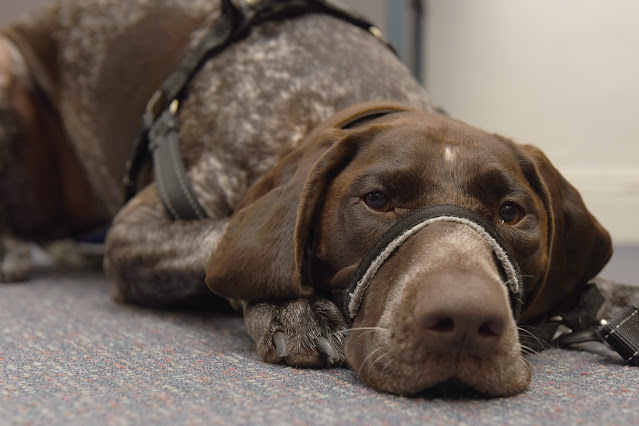
When I finished reading Nadine Hamilton's fantastic book, Hero used it as a pillow.


Have you noticed all the talk about well-being and veterinary professionals lately? There has been an explosion of publications about exodus from the profession, but equally there have been new resources like psychologist Nadine Hamilton’s book Coping with Stress and Burnout as aVeterinarian

Animal welfare, human well-being and environmental sustainability are inextricably linked. This idea is the foundation of the “OneWelfare” concept but also one that I have come to subscribe to because of my experiences as a veterinarian.

The good news is that finally society, and our profession, are coming to understand that you can’t do good animal husbandry if the humans looking after those animals aren’t looked after. You can’t look after humans and animals if the environment that supports all life is being harmed.

In October this year the Centre for Veterinary Education is hosting a two-day conference on One Welfare at the University of Sydney.

This is the perfect opportunity to meet solutions focused colleagues who want to tackle some of the bigger picture issues that will impact us all – and by us I mean humans, other animals and the environment.

For more info and to register, click here: https://www.cve.edu.au/conference/one-welfare-conference-ii

On Wednesday October 16 there is a one-day symposium on Mental Wellbeing for Veterinary Teams. This is a not for profit event facilitated by funds-raised by the Vet Cookbook. Registration is very cheap and covers catering.

Speakers include those from within but also many from outside of our profession. This day promises an extraordinary opportunity to collaborate, network and gain a sense of perspective about the current “mental health crisis”.

Please come along and contribute your ideas and energy.

I am of the firm belief that its one thing to participate in dialogue online about these issues, but meaningful action tends to come from face-to-face meetings where people have a chance to learn about each other. This is a rare chance to get a lot of members of our profession - vets, nurses, practice managers, groomers, kennelhands, stablehands, animal carers and students - into one space. That's how the magic happens.

Its great to see companies like Zoetis coming on board. Last week they announced a partnership with Beyond Blue in which they hope to raise up to $100,000 to support mental health in Australia. These kind of initiatives are important and should be encouraged.

Hopefully, with the encouragement of our profession, companies like this will put funds behind initiatives to help improve our sustainability - both in terms of human and animal welfare but also the environment. 

According to a company statement (slightly edited here for length):
  
“Whilst vets can be seen as the heroes of our community for treating and saving the lives of some of our most treasured family members, it can often be at significant cost to their mental health...
Day in day out, vets undergo a great deal of stress, not only caring for sick animals, but compassionately and knowledgeably working with the owners to provide the best care and treatment. Entering the profession because of their love for animals, they are often not prepared for the emotional pressures of the job. Whether it’s counselling a family through the decision process to euthanize, or having to carry out the procedure on a pet they have been treating regularly, vets suffer with grief every day. “We are very passionate about improving mental health and are proud to partner with Beyond Blue to tackle these very real issues affecting our vets, who suffer as a result of supporting our community,” says Lance Williams, Zoetis Vice President, Australia and New Zealand.
Beyond Blue Lead Clinical Adviser Dr Grant Blashki explains, “From my experience as a GP, people working in high pressure environments like veterinary services tend to experience more stress than people working in some other areas. “Things like long hours, financial worries and the emotional aspects of the job can start to pile up and impact their mental health. People working in such a caring profession often feel like they can’t justify time to look after their own mental and emotional wellbeing, but it’s incredibly important that they do.”
Natasha Wilks, a veterinarian for 20 years and Beyond Blue volunteer says, There are so many things which weigh on our minds; the long hours, financial struggles, and the difficult situations we are placed in.
 “During my final and seventh year of study, I was feeling exhausted and burnt out, I had spent the last seven years working every weekend and weeknight. It all came to a head when I had a rotation where we lived at the veterinary hospital to monitor all the patients overnight. I was very teary and didn’t want to do it. This was my turning point to seeking help.
 “For me to reach out and admit that I wasn’t coping was a massive step. I’d been brought up to soldier on and to deal with things myself. I realised I couldn’t keep doing it anymore. I was exhausted, depressed and I needed help.” Natasha has experienced many ups and downs throughout her veterinary career in different working environments adding, “Nowadays I recognise when I’m becoming exhausted and I’ve learned to slow down.”
 “For me, the signs are when I become more negative, frustrated and judgmental, less willing to spend time with friends and I let things get to me.”
“My identity isn’t tied to my veterinary career anymore, so when I have challenges in practice I try not to take it personally and focus on the things I can control.”
Part of taking control for Natasha has been about finding what she loves and making time to enjoy them.  “Exercise is really important in helping me stay well. I don’t pound the pavement, but I walk with our old retriever who still has a lot of energy. I walk and smell the air, notice all the new flowers and listen to the birds,” she said. 
Zoetis is committed to helping offer greater support to our vets and will be raising $100,000 from sales of their companion animal products, as well as livestock products, from 15 July to 31 October, with funds being used by the Beyond Blue Support Service, to provide advice and support 24 hours a day, seven days a week.
 “The Support Service, entirely funded by generous donations, is a free, life-changing and sometimes life-saving service, there for people day and night – via phone, web chat or email – whenever they need someone to talk to,” said Beyond Blue CEO Georgie Harman.
 The Beyond Blue Support Service costs on average $48 per contact with counsellors available by phone, webchat or email, meaning Zoetis’s kind donation will help over 2,000 people get the support they need through the service. For more information on how you can help Zoetis to raise vital funds and support mental health through its partnership with Beyond Blue please visit www.zoetis.com.au Mental health professionals are available 24/7 at the Beyond Blue Support Service – 1300 22 4636 – or via beyondblue.org.au/get-support for online chat (3pm-12am ADST) or email (within 24 hours).”


Sunday, January 27, 2019

Companion animals need more than cool water to cope with climate change

dog, heat stress, heat stroke, climate change, one welfare
Record-breaking temperatures are the new norm. Just like us, animals suffer with the heat.

Each time a heatwave approaches, I am asked for advice about how to prevent heat stress in animals.

The practical tips that pet owners can take to protect their animal companions range from ensuring animals are have appropriate shelter that protects them from the heat to providing fresh, clean, cool water for drinking and (for some species) bathing.

But beyond the steps needed to protect animals in a heatwave, it is vital to understand that extreme weather is becoming the norm. It is no longer the exception.

Protecting animals from heat stress is no longer a matter of planning for companion animals for a handful of odd hot days over summer.

We need to recognise that climate change is making heatwaves more severe and frequent, and that we need to stop climate change to stop things from getting unbearably hot for animals, humans and the environment that sustains us. Aside from the risk of heat stress, extreme weather is associated with a higher bush fire risk. Bush fires are associated with high morbidity and mortality rates of animals (particularly wildlife but also livestock and sometimes companion animals).

The evidence is clear that our climate is changing. 2018 was Australia’s third warmest year on record, and also had the earliest ever total fire ban ever declared in NSW. Nine of Australia’s hottest ten years have occurred since 2005.

In the short term we need to cope with the heat, but we also need to take immediate action to tackle the root cause of the problem: burning fossil fuels for energy, which produce the greenhouse gas pollution that contributes to climate change. We need to urgently phase out polluting coal, oil, and gas in favour of clean and safe renewable energy if we are to protect Australia’s animals (companion animals, farm animals and wildlife), humans and the environment we occupy in the longer term.

This truly is a One Welfare issue and we need to prevail on politicians to tackle this problem.

If you’re not convinced, here are some trends reported in the Bureau of Meterology’s Annual Climate Statement (you can view it here). 

  • 2018 was Australia’s third-warmest year on record (recording started in 1910), with an area-averaged mean temperature that was 1.14 degrees Celsius above the 1961 – 1900 average.
  • Longer term, the 11-year mean average temperature for 2008-2018 was the highest on record (0.77 degrees Celsius above average).
For tips on preventing and treating heat stress in companion animals, check out my previous post here. http://www.smallanimaltalk.com/2014/01/heat-stress-and-heat-stroke-in-pets.html

Sunday, January 20, 2019

What does plastic in the ocean have to do with companion animals?

marine plastics, microplastics, One Welfare, ocean health, dogs
Bosca models the AniPal collar, made from recycled plastics (NB harness is not related).


What does plastic in the ocean have to do with companion animals? Quite a bit, actually. According to the World Economic Forum, by 2050 there will be more plastic in the ocean than fish (although there are a coupleof key steps we can take to slow this down) That will destroy the ocean we enjoy, impacting aquatic and terrestrial environments. It will also remove one of the world’s major food sources. 

Microplastics ingested by fish have already made their way into the food chain, the consequences of which we don’t fully understand.
Veterinarian Stephanie Stubbe was horrified by these figures, and spent over twelve months setting up her own company to repurpose plastic ocean waste, converting this into dog collars and leads which are now available in Australia.

I learned about Dr Stubbe when colleagues began sharing an ABC news article about a young vet who had decided to tackle something many of us think is too hard. We later spoke when I was writing an article about the animal welfare impacts of plastic in the ocean.

microplastic, marine plastic, One Welfare, dogs
Bosca models his recycled plastic collar (harness not related).

We tend to think about companion animals as living in homes, protected from the wider environment. But as we deplete and damage our environments, we need to appreciate that they, like us, are part of a bigger picture and animal welfare, human wellbeing and environmental sustainability are interdependent. 

And thinking about reducing the “plastic footprint” of pets might challenge some of us to think about our own plastic footprint. We can also reduce that of others by participating in initiatives like Take 3 (a campaign that encourages people to take home at least three bits of litter every time they hit the beach).

Initiatives like this are based on the premise that small choices we make in our everyday lives have the power, collectively, to make a difference. It will be interesting to see what other initiatives animal health professionals develop to tackle these wicked problems.

You can follow Dr Stubbe on Instagram or facebook

Declaration: The collar modeled was purchased from AniPal and this is not a paid post, not has it been reviewed or endorsed by AniPal.

Tuesday, January 1, 2019

One Welfare: animal welfare, human well-being and environmental sustainability

What does One Welfare have to do with donkeys? Quite a bit actually. (You can read more here)

Happy New Year! If 2018 taught us one thing, its that there is much to do to address some of the world’s greatest challenges: improving animal welfare, human well-being and environmental sustainability. It can all seem a bit too hard, but the good news is there are plenty of capable people swimming against the tide and working to facilitate environmental, human and animal flourishing.

“One Welfare” is the term used to describe the interdependent relationships between all of the above. It is based on the premise that we need to address all stakeholders – human, animal and environment – rather than focusing on one or two at the cost of another.

In 2019 the University of Sydney is hosting the Second International One Welfare conference. Keynote speakers include Professor David Fraser, from the University of British Colombia (hear him talk about One Welfare here), Rebeca Garcia Pinillos, founder of One Welfare World (read her book about One Welfare here), and Dr Mark Schipp, Australia’s Chief Veterinary Officer and President of the World Animal Health Organisation (OIE) (read the OIE's Global Animal Welfare Strategy here).

If you are working in this space, you can submit an abstract for consideration by January 31. For details, check under the “submit an abstract heading” here

Or if you’re just keen to come along and meet others, including veterinarians, in this space, you can register here

Declaration: I am one of the volunteer co-organisers of the One Welfare Conference. I also volunteer with the CVE and present veterinary CPD for them from time to time.

Sunday, October 29, 2017

Self care just became a professional obligation for doctors - and its about to be for vets


This goanna was soaking up the heat on the road to a bush trip I did with AMRRIC last week.

Self-care just became a professional obligation for doctors, and it’s about to become so for veterinarians.

This month, on October 15, the World Medical Association ratified some key changes to the Geneva Declaration – a kind of modern-day Hippocratic Oath.

A petition, started by New Zealand doctor and signed by over 4700 doctors in Australia and New Zealand, called for the addition of apledge about self-care.

The ratified change reads thus:

I WILL ATTEND TO my own health, well-being, and abilities in order to provide care of the highest standard;

(You can read the full declaration here…its fascinating).

This change is a big deal. Although we know that doctors and other health professionals – including vets and vet nurses – suffer from health issues, there remained an absurd notion that a health professional put their patients interests, always, above all of their own. This just doesn’t work. To do their job properly, health professionals need to eat, sleep, and attend to their physical and mental health.

The Australian Veterinary Association is currentlyreviewing its professional code of conduct, and care for self and others is part of that too.

Self-care, and care for one’s immediate colleagues, has been formally recognised as an ethical and professional obligation.

Speaking of self-care and caring for colleagues, the VetCook Book is entering the final stages of preparation. The fantastic team at the Centre for Veterinary Education are finalising the design and layout, and this resource – designed to promote collegiality with cakes, curries and carbs on the side – will soon be available to purchase.

I don’t want to jinx it by sharing the tentative publication date. Pulling together a project this takes an army of people, there are so many details to finalise and little challenges to sort through, and things can change. But a date has been floated! Believe me, it hurts not to share!

The CVE have been amazing in supporting the vision, coping with our creative quirks and managing a pretty unwieldy bunch of word and image files. They’ve donated their time and their skills, and they’re really keen to support the well-being of our profession.

This is not a money-making exercise, but any proceeds raised will be donated to mental health resources available to all veterinarians.


Please jump on facebook and like the Vet Cook Book page, and watch this space!

Friday, September 29, 2017

How clinical research can help human and animal patients: Lafora disease

anti epileptic drugs, anti seizure drugs, dog seizurs, Lafora
Some of the medications used to control seizures. These may control symptoms in dogs with early stage Lafora disease, but there is currently no cure.

When we think about animal-based research to benefit humans, we tend to think about animals in laboratories. But clinical-based research can incredibly helpful, and may benefit both species.

For example, collaboration between pet owners, vets and researchers at the University ofSurrey’s School of Veterinary Medicine and Fitzpatrick Referrals in Surrey is helping dogs and children with a rare, severe form of epilepsy.

The condition, Lafora disease, is very rare in dogs – although more prevalent in miniature wirehaired dachshunds, and has been seen in beagles and Basset hounds. Potentially, the genetic mutation that causes the disease could occur in any breed of dog spontaneously but it is autosomal recessive, so they need two copies of the disease gene to have disease i.e. both parents must be carriers or affected. The disease occurs due to a mutation in the Epm2b gene which leads to accumulation of glycogen in cells (Lafora bodies).

The disease affects around 50 children worldwide. Laforadisease is a fatal form of epilepsy caused by a genetic mutation, leading to abnormal levels of glycogen in the body. These abnormal levels of glycogen cause children and dogs to suffer progressive seizures, dementia and loss of mobility. In dogs, anti-epileptic drugs control seizures in the early stages of the disease, but there is no curative or long-term treatment available currently.

Understanding the signs and progression of the disease may help develop an effective treatment which could be used to treat affected children and dogs.

Veterinary researchers surveyed the owners of 27 miniature wirehaired dachshunds over the course of 12 months to study the clinical signs and physical advancement of the disease. The good news is that this involved patients with naturally occurring disease.

They discovered that the average age of onset of clinical signs in dogs was around 7 years. The most common clinical sign of Lafora are reflex and spontaneous muscle contractions, uncontrollable jerks and generalised seizures. Other common signs include focal seizures, jaw smacking, fly (of the non-existent kind) catching, panic attacks and aggression. Reflex and spontaneous muscle contractions was a clinical sign in 77.8 per cent of affected dogs. 51.9 per cent of affected dogs experienced uncontrollable jerks and 40.7 per cent experienced generalised (sometimes referred to as grand mal) seizures.

Signs that developed later in the disease include dementia (51.9%), blindness (48.1%), aggression to people (25.9%), aggression to dogs (33.3%), deafness (29.6%) and faecal (29.6%) and urinary (37.0%) incontinence as a result of loss of house training (disinhibited type behaviour). Read more here.

It sounds simple, but characterising rare diseases like this is incredibly challenging yet vitally important. How does a veterinarian know that a dog or puppy has Lafora disease, and not another seizure disorder?

For veterinarians, differentiating Lafora from other seizure disorders can be difficult, but is done on the basis of a) the presence of characteristic myoclonic (jerking) type seizure in response to flashing lights, sounds, movement; b) genetic testing and c) MRI changes (cortical atrophy), although these changes are not specific to Lafora.

Genetic testing is performed on blood submitted to the University of Toronto or via the Dachshund Breed health Council testing scheme

Dr Clare Rusbridge, Reader in Veterinary Neurology at the University of Surrey and Chief Neurologist at Fitzpatrick Referrals, said: “Lafora disease is a fatal disease that causes unbearable suffering for dogs and in rare cases young children.”

“Due to its rarity, little is known about the onset of this illness but what we have discovered, with the help of dog owners, is the clinical sign of Lafora helping to lead to quicker diagnosis. The more we learn about Lafora, the better chance we have of treating it effectively.”

The longstanding relationship between Dr Rusbridge and the Hospital for Sick Children in Toronto has led to the ground-breaking collaboration between human and veterinary medicine, which led to the discovery of the canine Lafora genetic mutation in 2005.

This research has already helped reduce the incidence of Lafora in dogs and thereby reduced suffering. Campaigning by the Wirehaired Dachshund Club and Dachshund Breed Council has led to an increased awareness and testing for the disease in breeding dogs. In 5 years, the proportion of litters bred with a risk of Lafora-affected puppies has been reduced from 55% to under 5%.

This represents huge progress, but there’s still a need to develop an effective treatment. Its another important example of how study of naturally occurring, rather than experimentally induced disease, can benefit humans and animals.

Reference:


Monday, August 14, 2017

Support for LGBTQI+ vets, nurses, students and others

Rainbow dog, LGBTQI veterinarians
That day Phil sat in a rainbow in my office. Truth is, animals really don't care whether you're LGBTQI, straight or non-identifying. Another reason we love them.
What does Australia’s marriage equality debate have to do with veterinarians? A lot, it seems. We’ve been contacted by people who have been hurt by comments made on social media over recent weeks so we thought we should post about this.

Veterinarians are Homo sapiens, i.e. just as human as everyone else (though it would be possibly hugely advantageous to be part non-human, as it may give us greater understanding of our patients. We digress).

Not all humans are heterosexual, but all of them have feelings. We know that veterinarians, as professionals, struggle with a higher rate of suicide and mental health issues than many other groups. Unfortunately, LGBTQI and other non-heterosexual identifying persons also struggle with the same. LGBTQI veterinarians have a double whammy. And yet, we’re all people. Struggling with the same issues. Doing our very best to help our patients, looking after the health of animals and the people they interact with. Imagine having to justify your identity on top of that, to people whose business it probably isn’t anyway. 

The distress is out there, its real, and its having an impact on some very dedicated vets, nurses, groomers, kennel-hands, receptionists, practice managers, couriers, specialists and others (including clients of veterinary services) who just want to provide great care and be accepted for who they are.

Given what we’ve heard recently, we wanted to remind everyone that its okay to seek support. If the recent discussion has upset you, it’s okay to talk about it and there are some great resources.

The Australian Veterinary Association provides a free, 24-hour counselling service to members.


All Australian universities provide student services which offer counselling and referral (usually at no cost to students). In addition, many Australian universities have rolled out Ally training for LGBTQI-friendly staff to promote a welcoming, safe and supportive environment, promote a stronger and more inclusive community and to challenge homophobia and homophobic attitudes and behaviours.

For example, you can see the University of Sydney’s information about the Ally Network here. http://sydney.edu.au/about-us/vision-and-values/diversity/ally-network.html

QLife is Australia’s first nationally-oriented counselling and referral service for people who are lesbian, gay, bisexual, trans and/or intersex (LGBTI). It provides phone 1800 184 527 and online counselling from 3pm-midnight and online resources at https://qlife.org.au/

Beyond Blue has a 24 hour hotline 1300 224 636 and information online www.beyondblue.org.au

Lifeline has a 24 hotline 13 11 14 and information online www.lifeline.org.au  

VetLife is a UK based charity providing a confidential hotline but also a range of information resources on the website https://www.vetlife.org.uk/

Mensline is a telephone and online support and information service for Australian men (24 hours) 1300 789 978. https://www.mensline.org.au/

There are also associations you can join or communicate with, including the Lesbian and Gay Veterinary Medical Association in the US (http://www.lgvma.org/) and the British Veterinary LGBT+ group (https://www.bvlgbt.co.uk/) in the UK.

At SAT we believe everyone deserves respect, that diversity is one of the coolest things about being a person, and that the world is better the more we can minimise the hurting and promote the well-being of animals AND humans. Isn’t that what being a vet is all about?

For this reason, we support our LGBTQI colleagues. Please look out for your colleagues (and yourselves), some of whom might need a bit of extra time, a cuppa, or even a word of support. 

UPDATE: Kate sent us a link for the Gender Centre in Sydney. Check it out here: https://gendercentre.org.au/ 

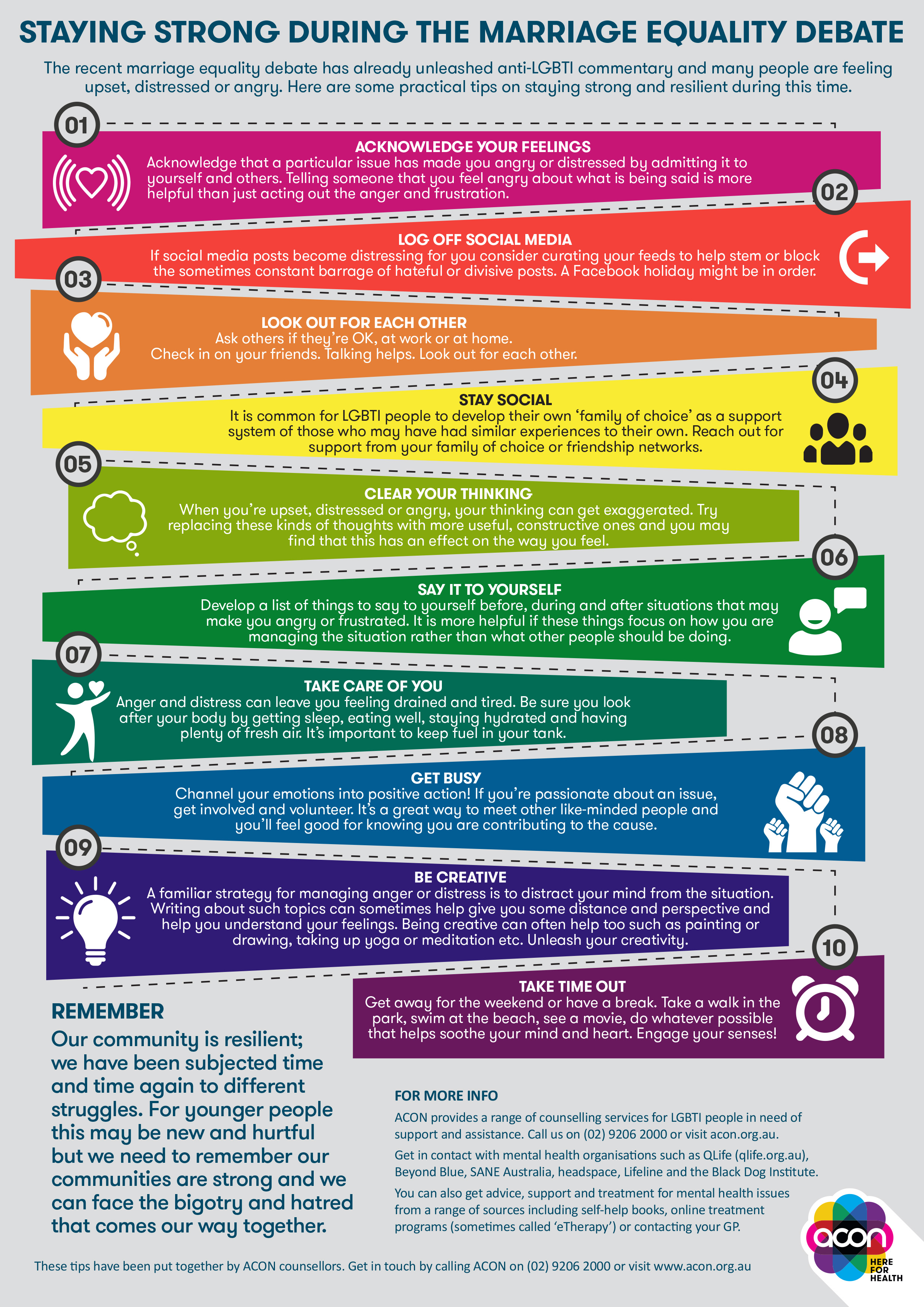
UPDATE: SAT reader Anthony shared this fantastic resource from ACON. You can download it here: 
http://www.acon.org.au/wp-content/uploads/2017/08/Staying-Strong-Tips.jpg 


And if you know of any other support groups, please drop us a line so we can share it.

Monday, July 24, 2017

Scientists needed

This was a tricky post to illustrate. So feast on thus stunning photo of Lake Gimli in Manitoba, Canada.

Do you ever feel that no matter what you do, you won’t ever make a difference? You can go to work all day, put in a sterling effort, and achieve a less than perfect outcome (this especially when you’re working with unpredictable biological systems, ie humans or animals). Then you flick on the news and it feels like the world is beyond help.

But fixing wicked problems isn’t about instant gratification. Sometimes it’s those little things we do that add up. Like reducing our use of single-use plastics, avoiding products that use palm oil, or signing a petition to warn humanity of the risky trajectory we are on if we can’t be bothered to change our ways.

If you’re a scientist, take six minutes to read this article (a bit longer if you hit the appendicies), written 25 years after the last warning was published. If you agree, you can become a co-signatory. The article, entitled World Scientists’ Warning to Humanity: a second notice (by William Ripple and colleagues) will be published in Bioscience. If you're not a scientist, you can still access and read the article and its worth doing: towards the end of the article it contains 12 steps we can take to transition to sustainability.

The article is currently hosted by Oregon State University, whose website notes that
When you click “Sign the Article” and add your name, you will be indicating that you generally agree that to prevent widespread misery caused by catastrophic damage to the biosphere, humanity must practice a more environmentally sustainable alternative to business-as-usual.
If you want to be included you will need to sign by August 2018, and your electronic signature will form part of the supplemental material. If you know other scientists, share with them. Click here: http://scientistswarning.forestry.oregonstate.edu/

Monday, July 17, 2017

Wondering about human animal interactions: Wunderkammer

Silhouette of Boxing Kangaroos by artist Rod McCrae at Everglades House.

Our interactions with animals range from compassionate to cruel, but the truth is that the majority of human animal interactions are unseen and overlooked. 

The impact of our behaviour on biodiversity, the wellbeing of the environment including the climate, and the animals we use every day can be extraordinary yet often goes unremarked on. Our minor habits can have major consequences for other creatures, whole species even.

Last week I had the pleasure of viewing a confronting exhibition by former children’s book artist and taxidermist Rod McCrae called Wunderkammer (“cabinet of wonders”). McCrae explains his title thus:
“Wonder seems like such an outmoded notion in our technological age where everything is so readily explained by the scientific method. Wonder however does exist in the human imagination often triggered, yet not fully explained, by an object. Rachel Poliquin’s The Breathless Zoo: Taxidermy and the Cultures of Longing (2012) puts it thus: “From early cabinets of wonder to philosophical repositories, collections of curiosities never really displayed knowledge, rather they acted as warehouses of raw potentiality.”
One of the questions this exhibit raised for me is whether we see animals as mere curiosities – when we pay attention to them at all.


Taxidermy is a fraught art form for me because, historically, many animals were killed as trophies, only to be stuffed and preserved as curiosities by those wishing to tame and control nature or at least cram it into a museum in an ironic, obsessive attempt to document every living species before it disappears off the face of the Earth.

But this isn’t ordinary taxidermy. There are signs throughout the exhibition insisting that the animals were ethically sourced: “No animal has been harmed to make this work in the first instance; the skins are the result of death by natural causes, medical euthanasia, hunting, culling and food production and have been traded on, sometimes multiple times before they became part of this body of work. The skins of the antelopes and the baboon are the byproducts of trophy taking.”

These aren’t animals arranged like trophies. Rather they are displayed in a way that raises questions like what do we mean by humankind's dominion over animals? What responsibilities does that entail? What does stewardship mean and have we got it wrong? Why do we often see animals as waste?

If you have an interest in human animal interactions, this is a relatively small but very powerful exhibition. You can read more about the work here

The Gardens at Everglades House.
The original owners shifted a 40 tonne boulder to create this pool.
You can catch Wunderkammer at Everglades House, part of the historic house trust, in Leura (about a two-hour train trip from Sydney) til August 27 (its a very beautiful spot for a picnic).